Garment Washing
for Custom
Clothing.
The right garment washing process can transform how a piece looks, feels, and wears. At Yizhe Studio, we work with clothing brands to evaluate suitable washing directions based on the fabric composition, construction, and target effect -- then confirm the result through sample testing before bulk production begins.
- Approach
- Sample-First
- Focus
- B2B
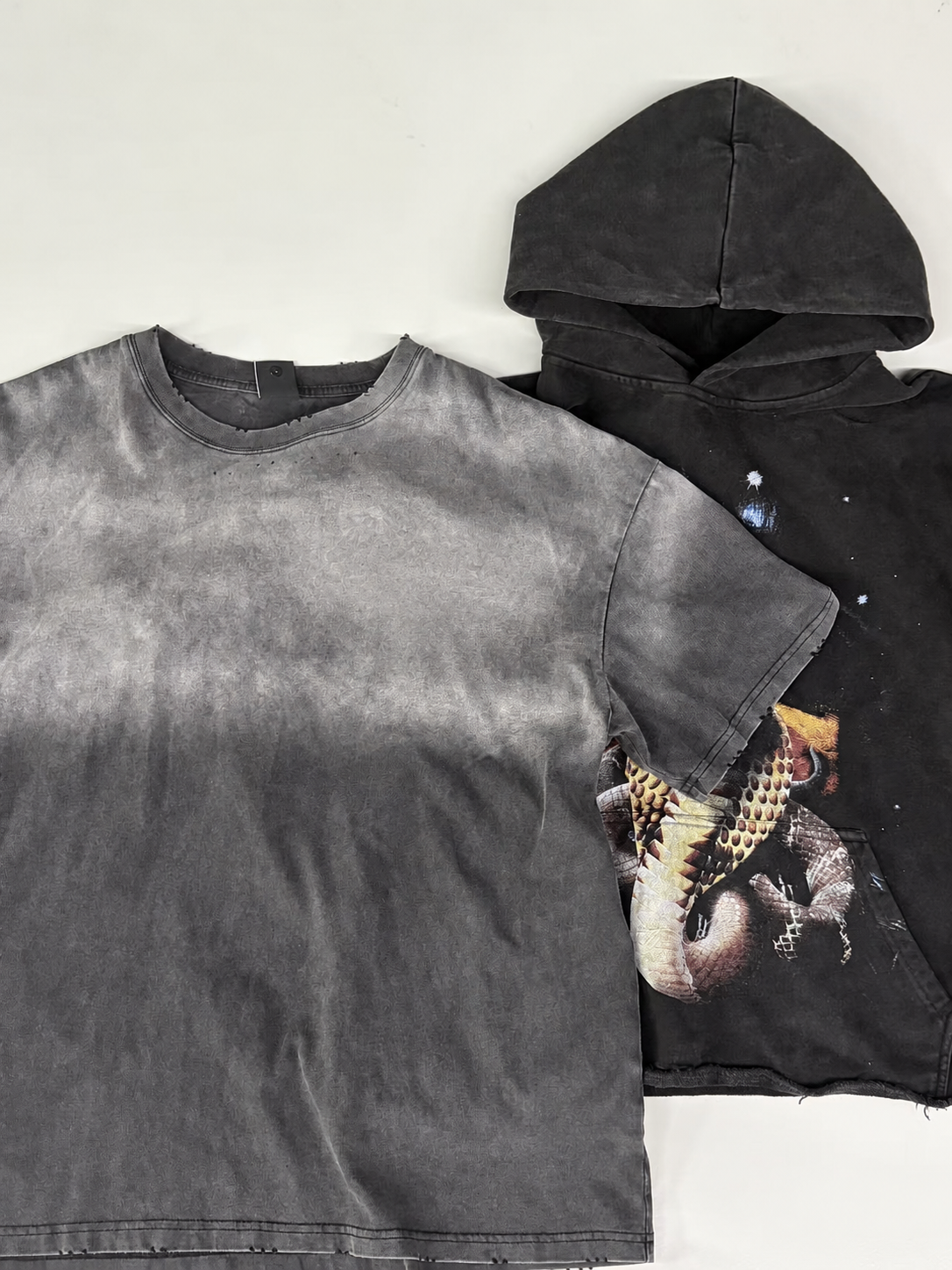
Washed Streetwear Production
Color · Texture · Character.
-- Washing Directions
Visual effects that define
a garment's character.
Garment washing is not a fixed formula. The final result depends on the fabric composition, original color, weight, construction, and washing parameters. Below are common directions we work with -- each evaluated on a per-product basis.
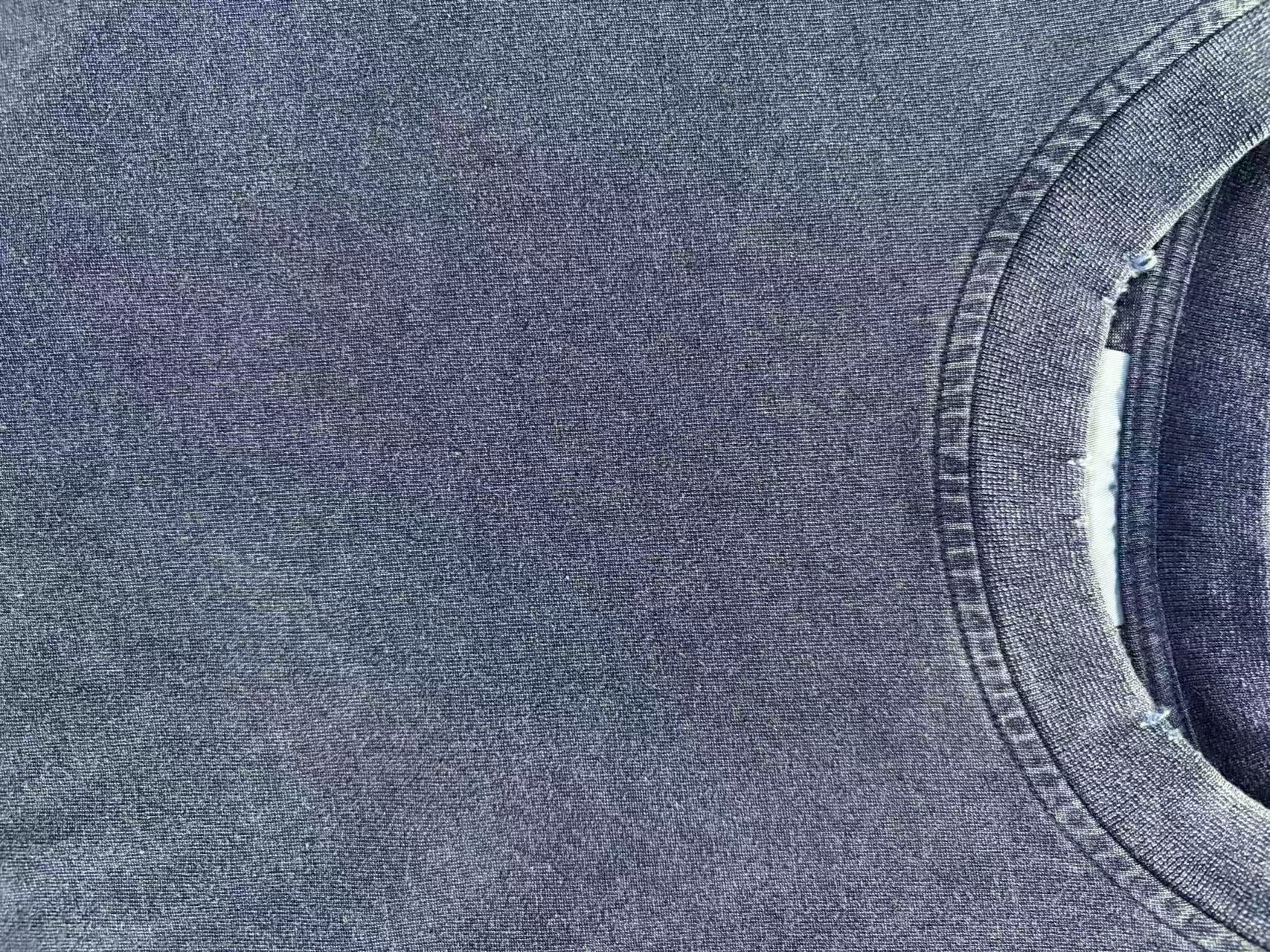
Soft Washed Finish
Reduces stiffness and creates a broken-in hand feel. Subtle surface texture with a relaxed, lived-in appearance.
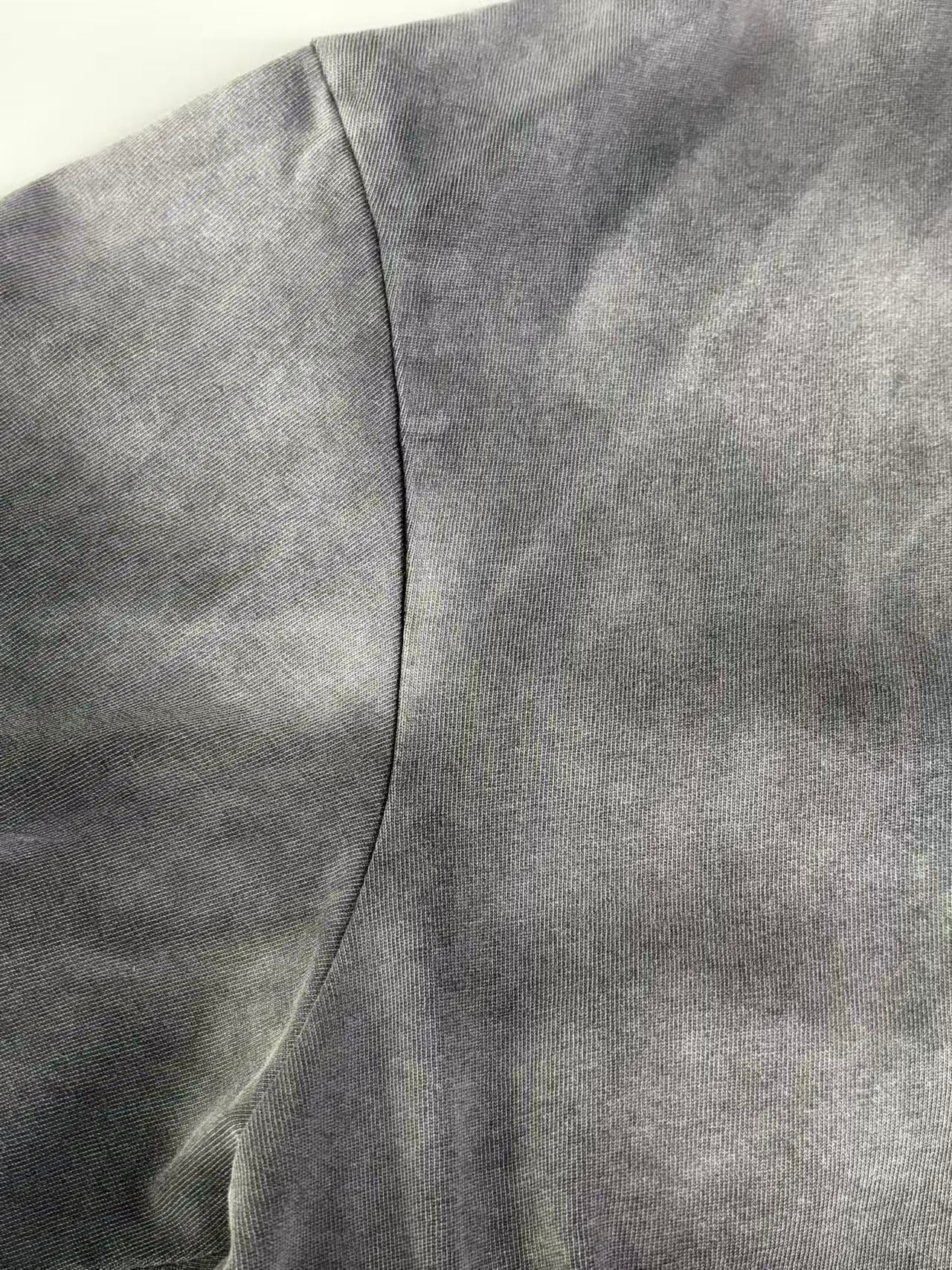
Pigment-Wash Effects
Earthy, tonal color with natural variation across the surface. Results are influenced by fabric weight and construction.
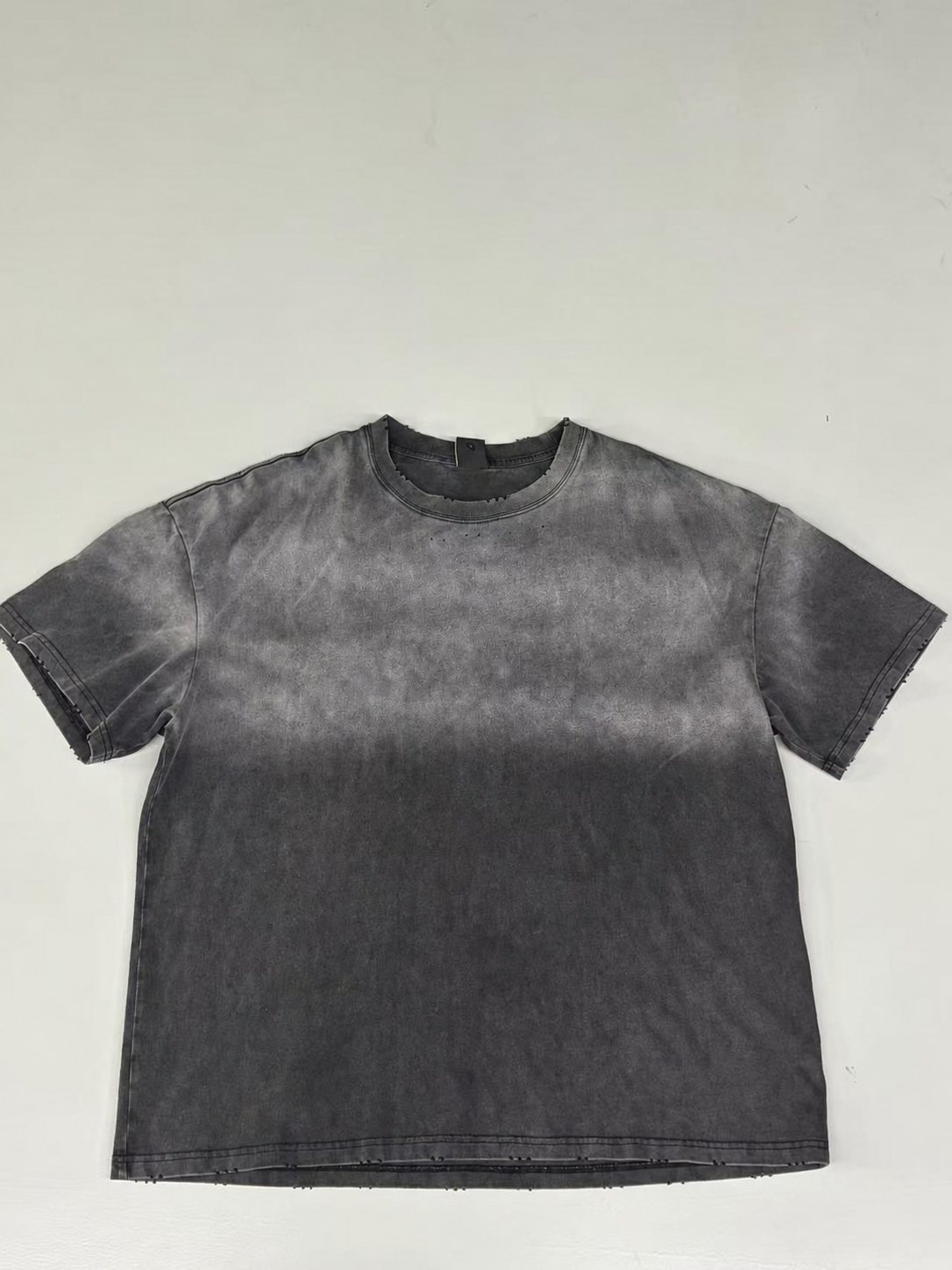
Faded & Vintage Looks
Gradual color fade that gives garments a worn, aged aesthetic. Common in vintage wash clothing and retro-inspired collections.
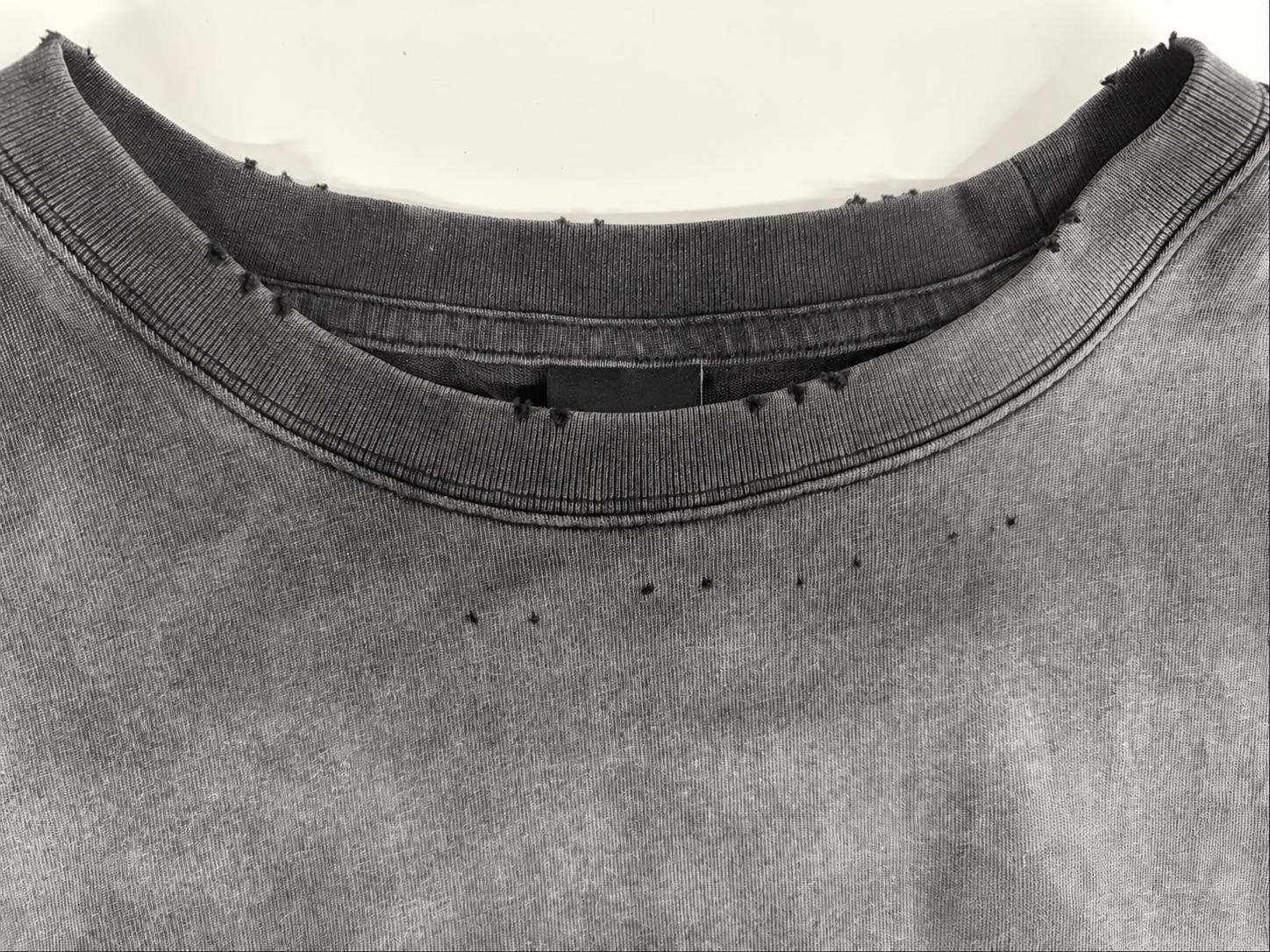
Distressed & Aged Finish
Intentional uneven fading at seams, edges, and panels. Adds depth and individuality -- especially effective on heavier fabrics.
Note: The washing direction shown above are reference categories, not fixed outcomes. Actual results depend on your specific fabric, construction, and target effect. Sample testing is required before bulk production.
-- Material Behaviour
How washing changes
fabric and fit.
Garment washing does more than change color. It affects hand feel, surface appearance, and garment dimensions. Understanding these changes in advance -- through sample testing -- is essential for consistent bulk results.
-
Softer or More Textured Hand Feel
Washing breaks down fabric stiffness and can introduce surface texture. The degree of change depends on fabric weight, weave structure, and washing intensity.
-
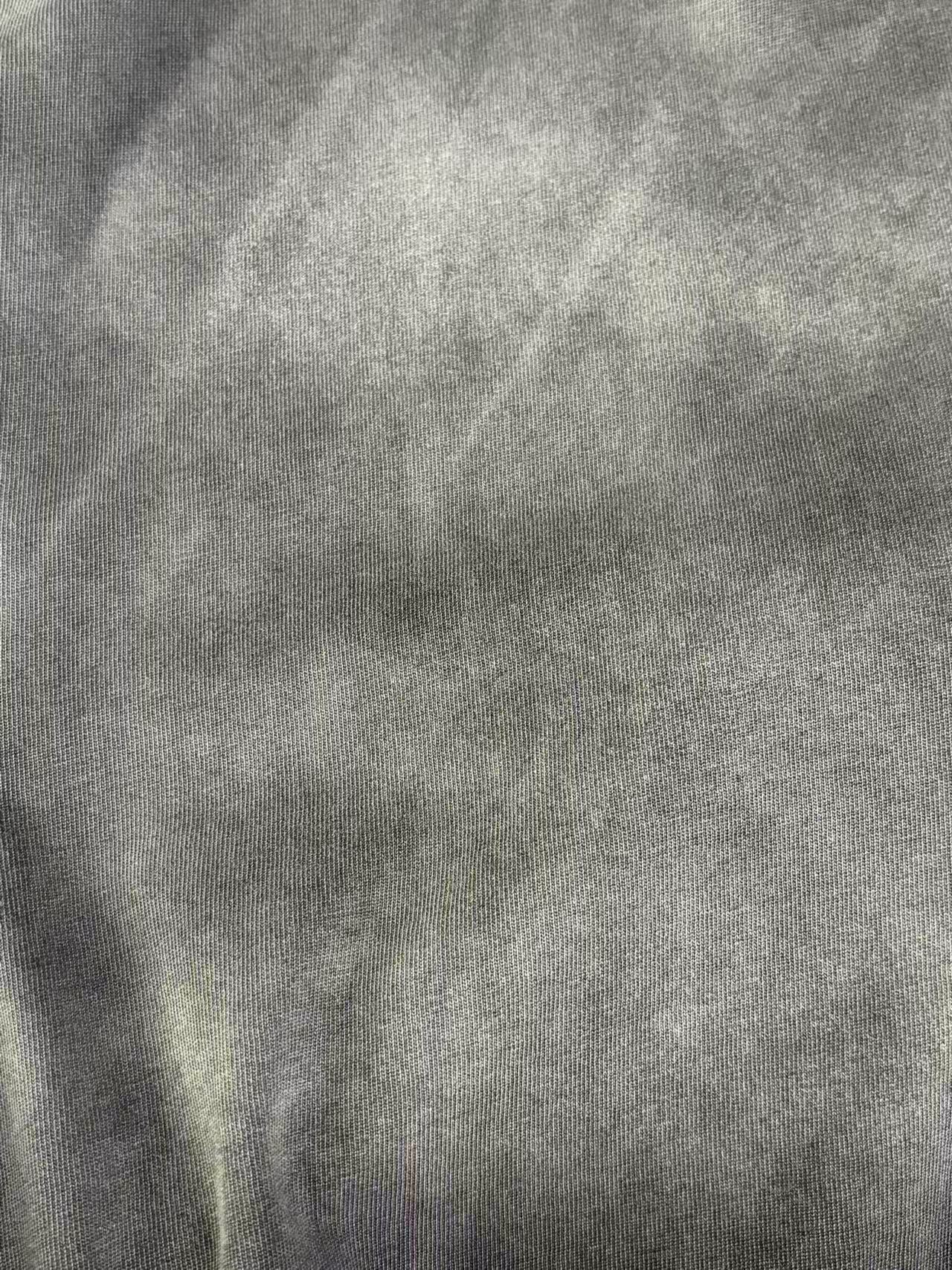
Changes in Color Depth and Surface Appearance
Color can shift in tone, depth, or evenness after washing. Original dye type, fabric composition, and washing chemistry all influence the final result.
-
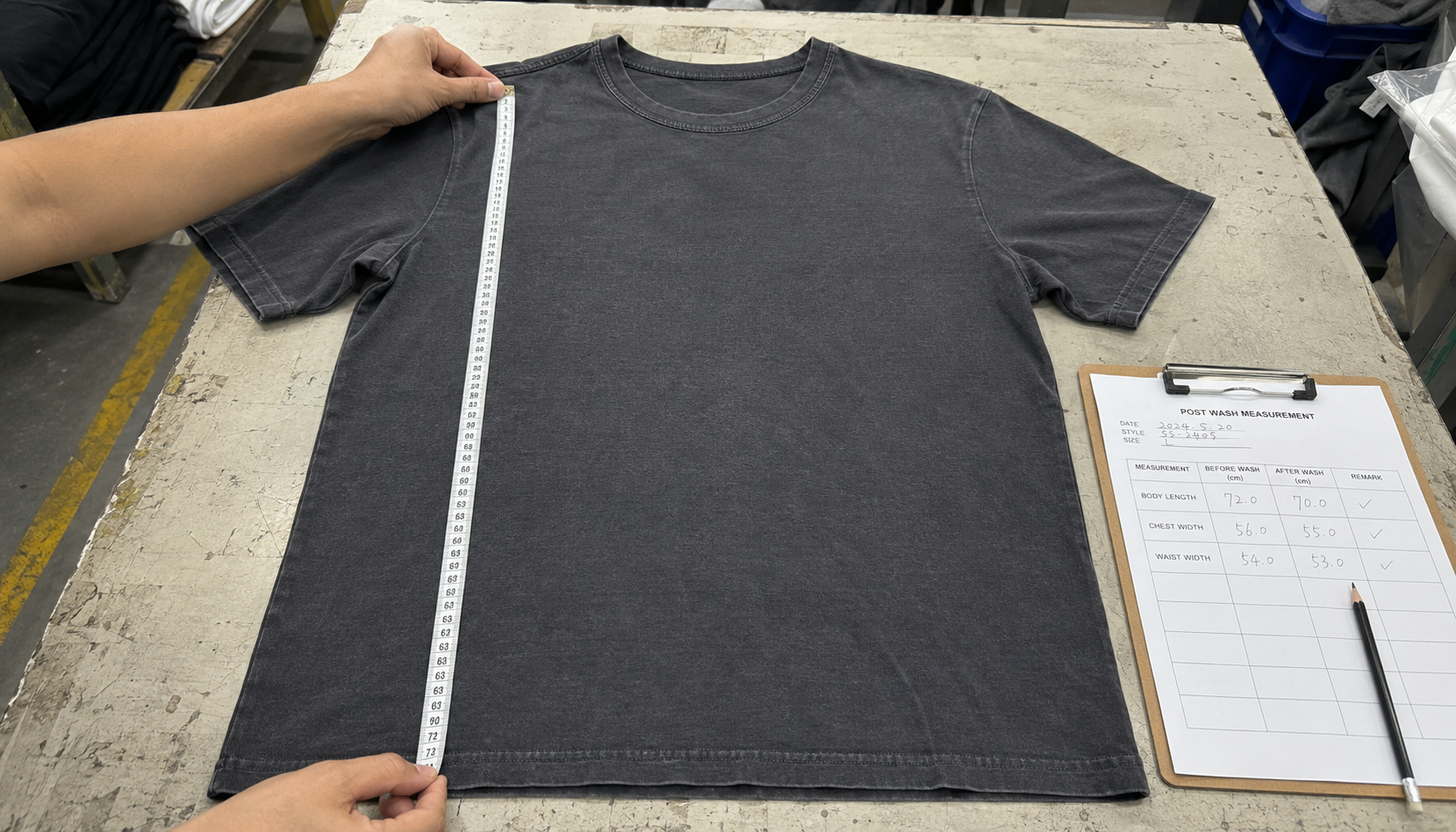
Garment Shrinkage and Measurement Changes
Most fabrics shrink to some degree after washing. Patterns and measurements must account for post-wash dimensions, confirmed through sample testing.
-
Different Reactions Across Fabric Types
Cotton, cotton blends, and other fabric compositions respond differently to the same washing process. Testing with the actual production fabric is essential.
Key Step
Test with your actual fabric before bulk.
-- Production Realities
Batch variation and
color consistency risks.
Garment washing involves natural variation. Understanding these factors in advance -- and managing them through proper testing and batch controls -- is part of responsible production planning.
Batch-to-Batch Shade Variation
Different production batches may show slight differences in shade or surface tone, even when using the same washing parameters. A confirmed standard sample and clear batch reference help manage this variation.
Different Fabric Compositions React Differently
Even within the same garment, panels cut from different fabric rolls or compositions may absorb washing differently. This is especially relevant for garments with mixed materials or blended fabrics.
Rib, Stitching and Trims May Fade Differently
Rib cuffs, waistbands, main fabric, stitching thread, and trims often respond to washing at different rates. The contrast between components is part of the aesthetic -- but it must be evaluated and approved on the sample before bulk.
Matching Sets Require Extra Evaluation
Tops and bottoms in a coordinated set are often cut from different fabric rolls and may fade at different rates. Color alignment across a matching set requires dedicated testing and a clear approval standard before production.
Our approach: We establish a confirmed standard sample before bulk production begins. Batch management and pre-shipment inspection are part of every washing order we handle.
-- Sample Testing First
Test the washing effect
before bulk production.
Every garment washing project starts with a sample. We evaluate the fabric, discuss the target direction, and confirm the result before any bulk order is placed. Here is how the process typically works:
-
01
Review the Garment Design and Fabric Information
We assess the product construction, fabric composition, weight, and any existing color or print details that may affect the washing result.
-
02
Select a Suitable Washing Direction
Based on your target effect and fabric properties, we recommend a washing approach and discuss the expected outcome and any relevant risks.
-
03
Produce and Test the Sample Garment
A sample garment is produced using the actual production fabric and washing process. This is the foundation for all subsequent bulk production decisions.
-
04
Check Color, Hand Feel, Measurements and Details
The washed sample is reviewed for color result, surface texture, post-wash measurements, and the behaviour of all components including rib, stitching, and trims.
-
05
Confirm the Approved Standard Before Bulk Production
Once the sample is approved, it becomes the confirmed reference standard. Bulk production follows the approved sample, and finished garments are inspected against it before shipment.
-- Start Your Project
Get a Washing
Consultation.
Share your product details and target effect. We'll review the feasibility and outline a suitable approach for your garment washing project.
- Product images or tech pack
- Fabric composition and weight
- Target color and washing direction
- Reference images or samples
- Estimated order quantity
Phone
+86 180 2547 8487Related Manufacturing Support