Materials that
shape how your
garment performs.
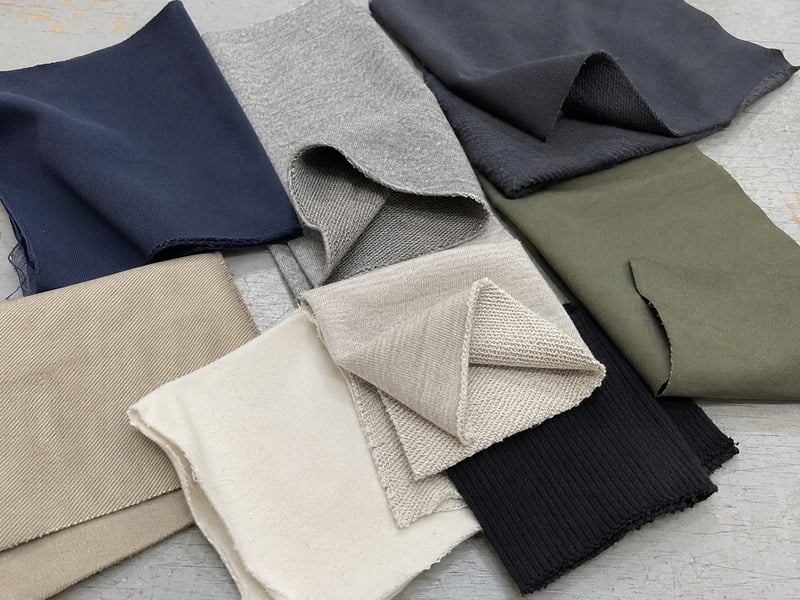
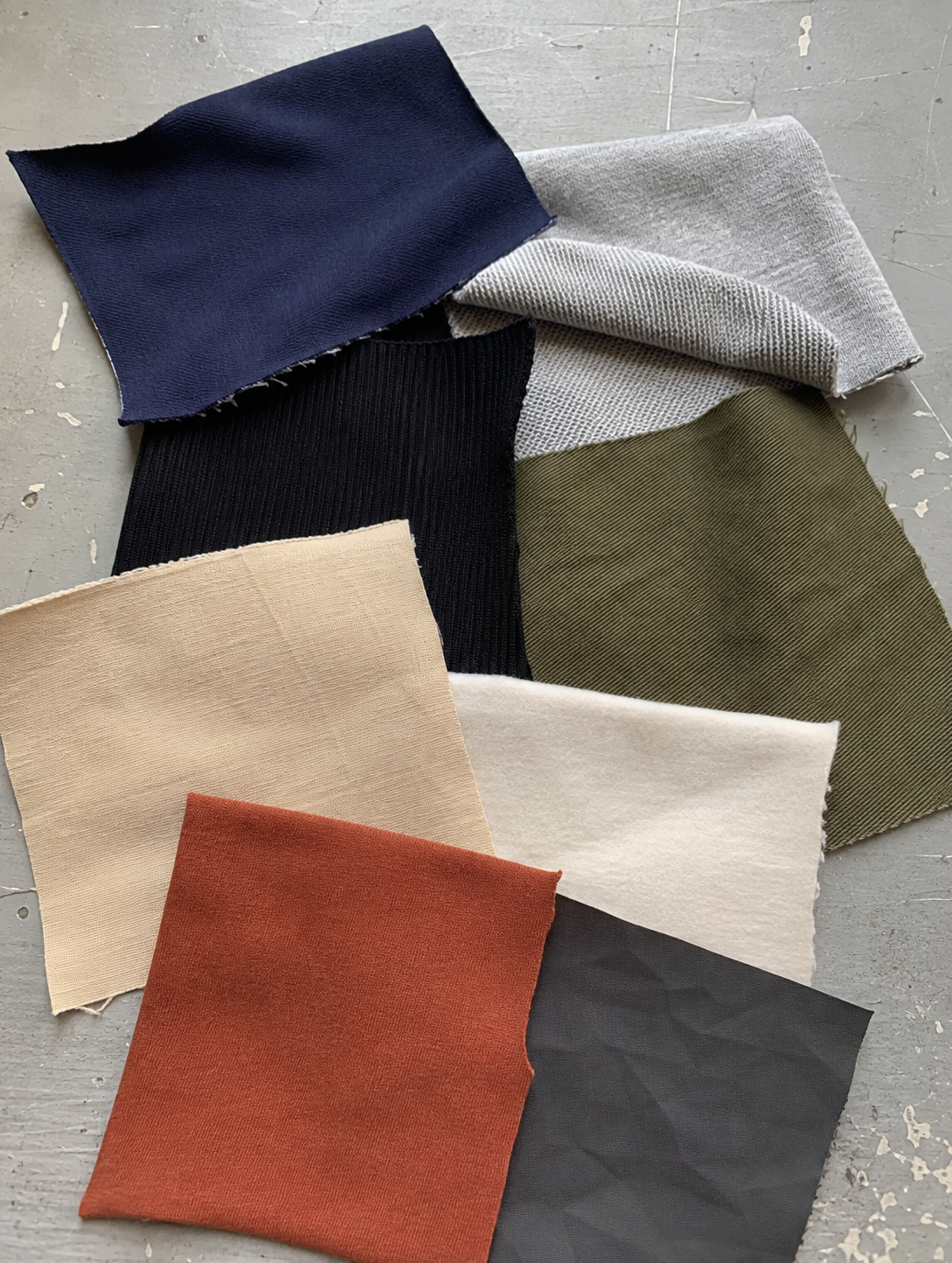
Fabric selection is one of the most important decisions in garment development. The right material affects silhouette, hand feel, print result, wash behavior, and how the finished product aligns with your brand positioning.
This page explains the common fabric types, construction factors, and material considerations we work with across sweatshirts, T-shirts, pants, denim, and knit trims -- to help you make informed decisions before and during the development process.
- Since 2019
- OEM Production
- Sample to Bulk
- International B2B Support
-- Common Fabric Categories
The material types we
work with most.
The right fabric for any garment depends on the product design, target silhouette, season, intended techniques, and budget. Below are the main fabric groups we regularly work with in custom apparel development.
Jersey, French Terry & Fleece
Loop-knit and jersey constructions are the foundation of sweatshirts, T-shirts, and casual pants. These fabrics offer varying degrees of stretch, weight, and surface texture depending on yarn composition and finishing.
- Sweatshirts & hoodies
- T-shirts & heavyweight tees
- Joggers & casual pants
Twill, Canvas & Stretch Wovens
Woven constructions provide structure and durability, making them suitable for workwear-influenced pants, outerwear, and structured casualwear. Twill, canvas, and stretch-woven blends are among the most commonly used in our product range.
- Structured casual pants
- Cargo & utility styles
- Outerwear shells
Rigid, Stretch & Washed Denim
Denim is available in a wide range of weights, constructions, and surface finishes. Key variables include weight, stretch content, indigo depth, and washability -- all of which affect the final look and wearability of the garment.
- Jeans & denim pants
- Denim jackets & shirts
- Washed & distressed styles
Ribbing & Trim Knits
Rib knit is used for cuffs, neckbands, waistbands, and hem finishes. The elasticity, rib structure, weight, and composition of the ribbing must be matched to the main fabric to ensure consistent recovery and visual balance.
- Crewneck & collar ribbing
- Cuff & hem bands
- Waistband inserts
Performance Knits & Blends
For sportswear and activewear, moisture management, 4-way stretch, and fabric recovery are key considerations. Polyester-spandex and cotton-spandex blends are commonly used depending on the performance level and aesthetic direction.
- Athletic tops & shorts
- Training sets
- Leisure & athleisure styles
Hardware, Labels & Accessories
Beyond fabric, the choice of elastic, drawcords, zippers, buttons, snaps, eyelets, and labels all contribute to the finished garment's functionality and brand presentation.
- Zippers, snaps & eyelets
- Elastic & drawcords
- Main labels, care labels & hangtags
-- By Product Type
Common fabrics for each
product category.
Each product type has its own range of suitable materials. The information below reflects common options we work with -- the actual fabric for your project is determined through the development process and confirmed via swatch or sample.
French Terry & Fleece Fabrics
French Terry
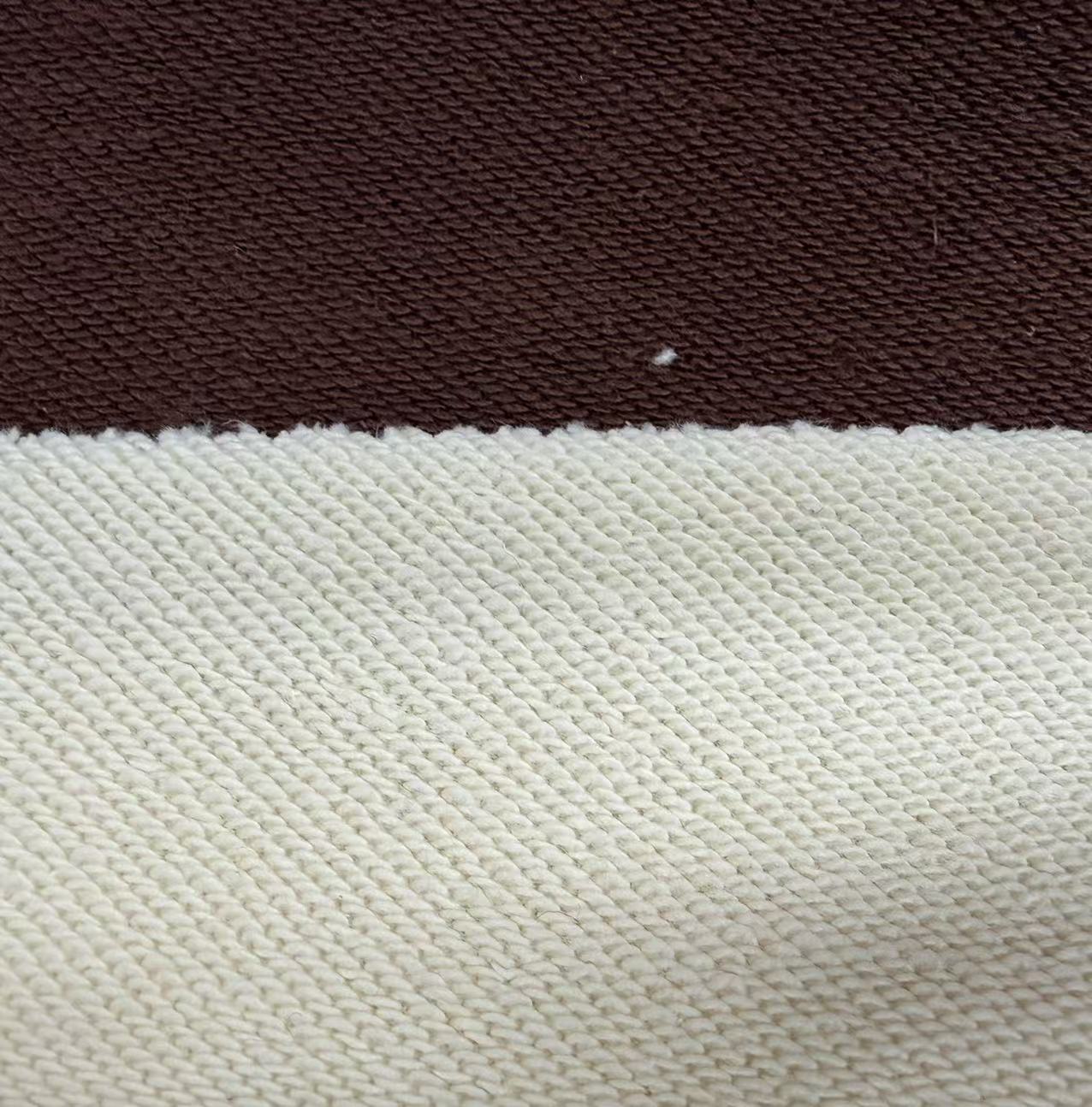
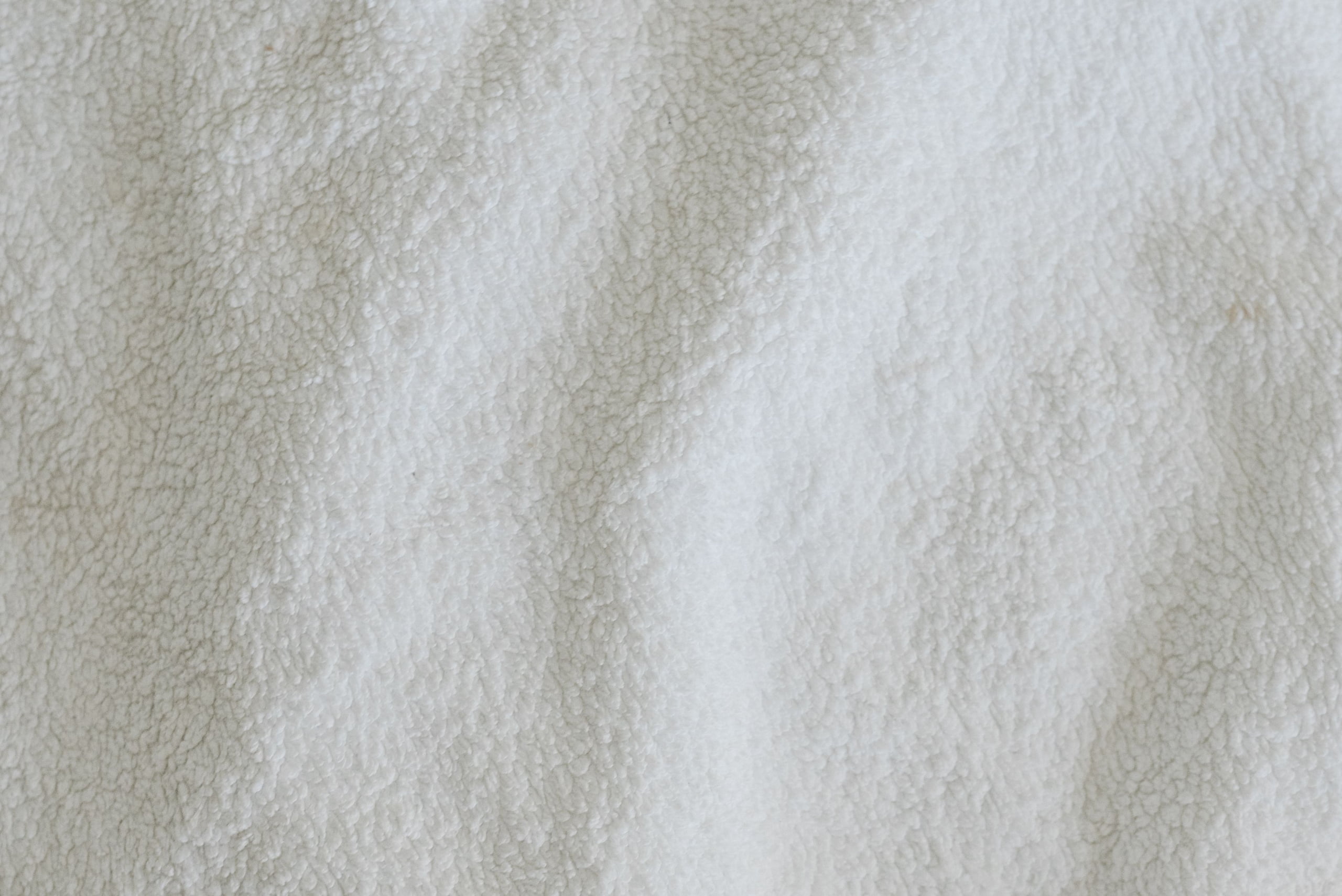
A loop-back knit with a smooth face and looped interior. Lighter and more breathable than fleece, suitable for lighter sweatshirts and transitional-season styles. Common weight range: 280-320 gsm. Prints and embroidery both work well on french terry.
Brushed Fleece
A raised, softened interior that provides warmth and a plush feel. Common in heavyweight hoodies and thicker crewnecks. Typically 320-450 gsm. The brushed interior affects embroidery placement and printing substrate -- confirmed during sample stage.
Cotton & Blends
100% cotton, cotton-polyester, and cotton-polyester-rayon blends each offer different levels of softness, structure, and shrinkage behavior. Blending ratios affect print quality, color retention after washing, and the overall drape of the finished garment.
Key Considerations
Weight affects structure, warmth, and puff print performance. Surface texture impacts the print substrate. Shrinkage behavior should be factored into pattern grading. All fabric properties are confirmed against the approved sample before bulk production.
Jersey & Single Knit Fabrics
Single Jersey
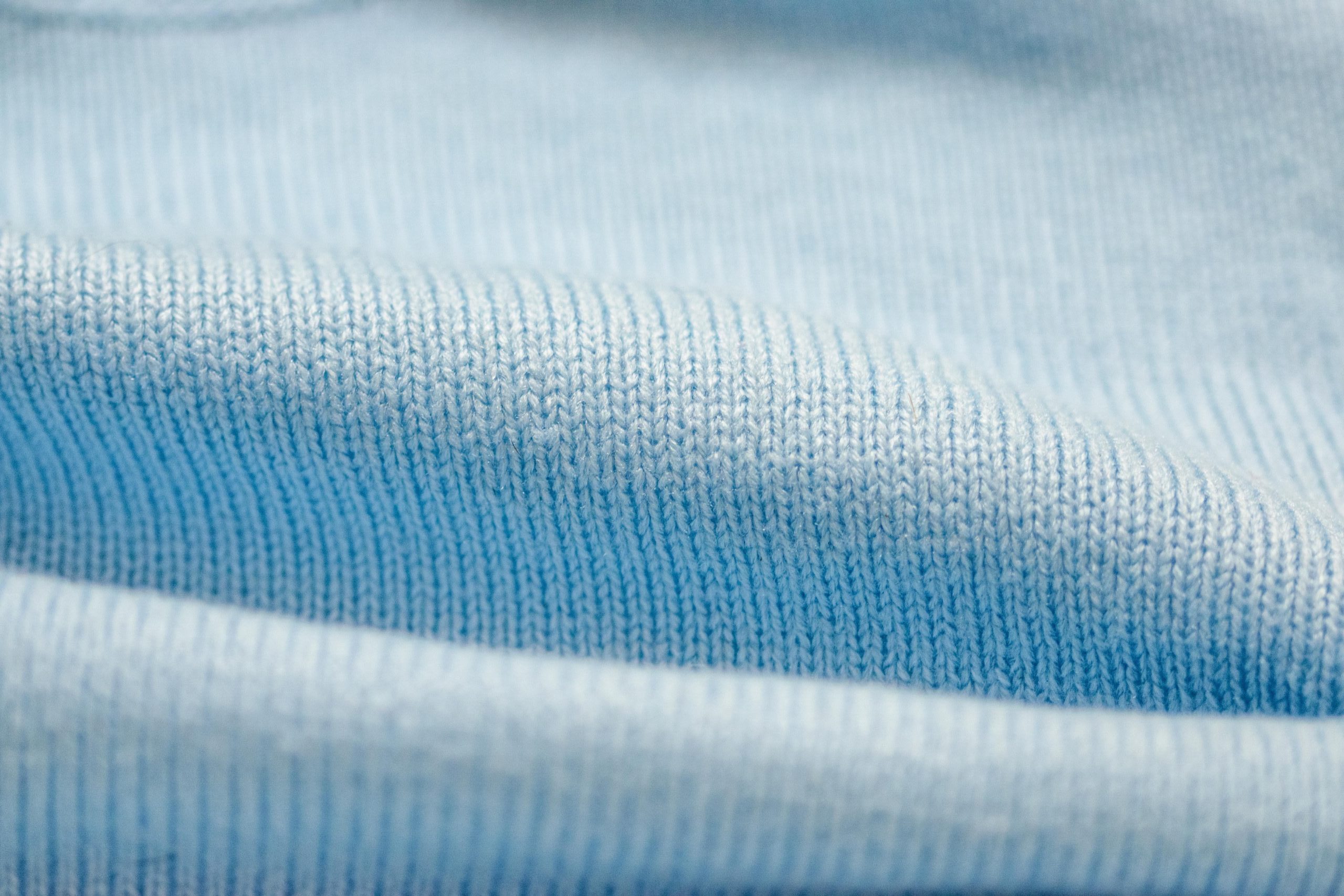
A standard knit used for everyday T-shirts. Lightweight, soft, and easy to print on. Typically 160-200 gsm. Works well for screen printing, DTG, and sublimation depending on the composition and color of the base fabric.
Heavyweight Jersey
Heavier and denser than standard jersey, typically 220-300 gsm. Provides better structure, a more premium drape, and a more substantial hand feel. Popular in streetwear positioning. Puff print, rubber print, and embroidery all perform well on heavier base fabrics.
Cotton & Blended Options
100% combed cotton offers softness and printability. Cotton-polyester blends improve dimensional stability and reduce shrinkage. Tri-blends (cotton, polyester, rayon) offer a vintage, soft drape. Each composition affects color vibrancy and hand feel after wash.
Key Considerations
T-shirt fabric selection depends on your target weight positioning, print method, washing treatment, and silhouette. An oversized boxy cut may require a heavier, more structured jersey to hold the intended shape across sizes.
Knit, Woven & Stretch Fabrics
French Terry & Fleece (Joggers)
Used for joggers and casual pants. French terry provides a lighter, structured feel while fleece adds warmth. Both materials support matching set production when sourced from the same fabric lot as the sweatshirt top.
Twill & Structured Wovens
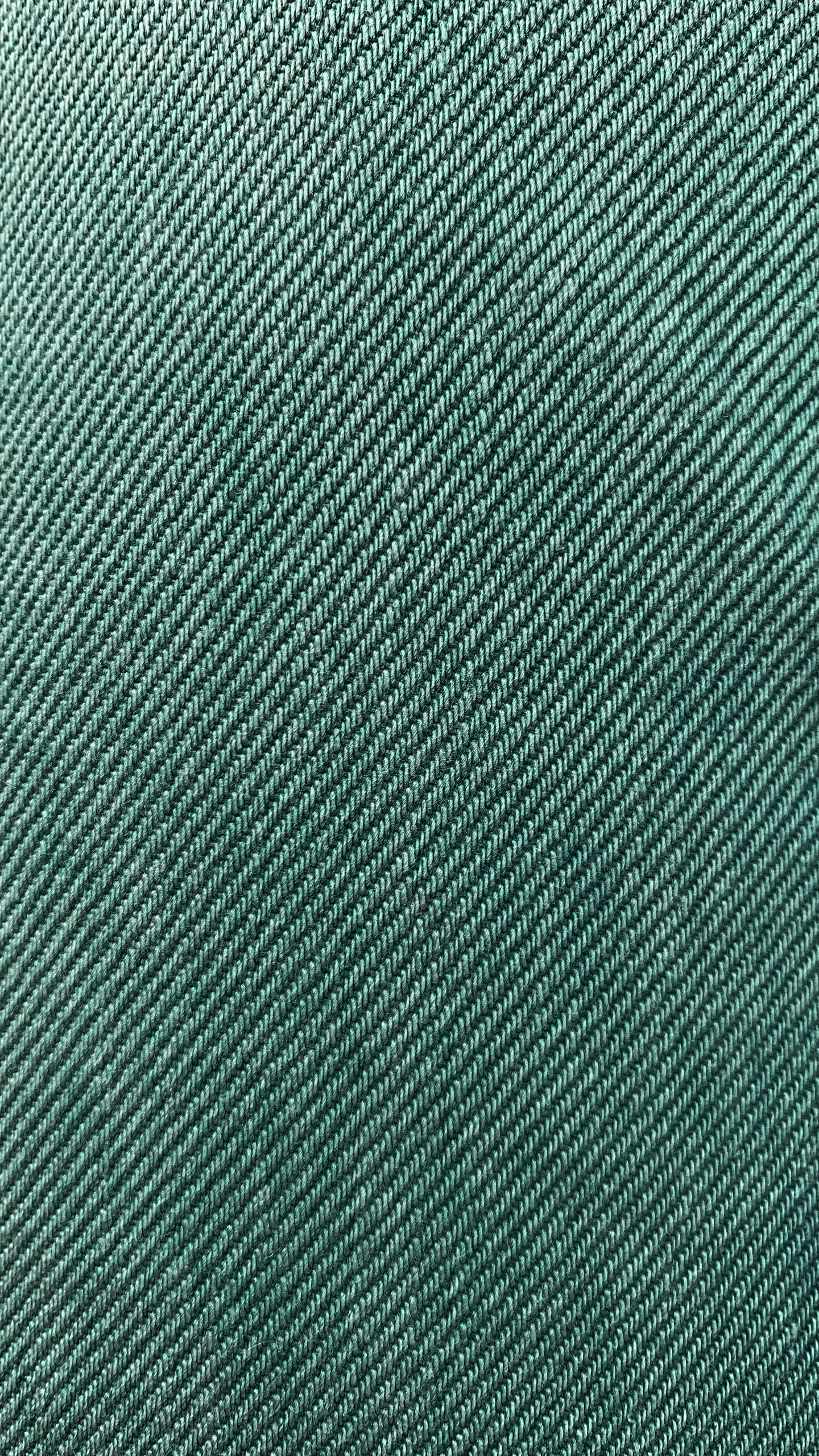
Cotton twill and canvas are used for more structured casual and workwear-influenced pants. These fabrics provide better drape definition and durability. Available in different weights, finishes, and stretch options.
Stretch & Woven Blends
Adding a small percentage of elastane (typically 2-5%) to woven fabrics improves ease of movement without compromising structure. Stretch wovens are often used in slim-cut or tailored pants where fit is a priority.
Key Considerations
Matching sets require fabric from the same dye lot and batch. Waistband construction -- whether drawcord, elastic, or structured -- affects which fabrics are appropriate and needs to be confirmed at the pattern stage.
Rigid, Stretch & Washed Denim
Rigid Denim
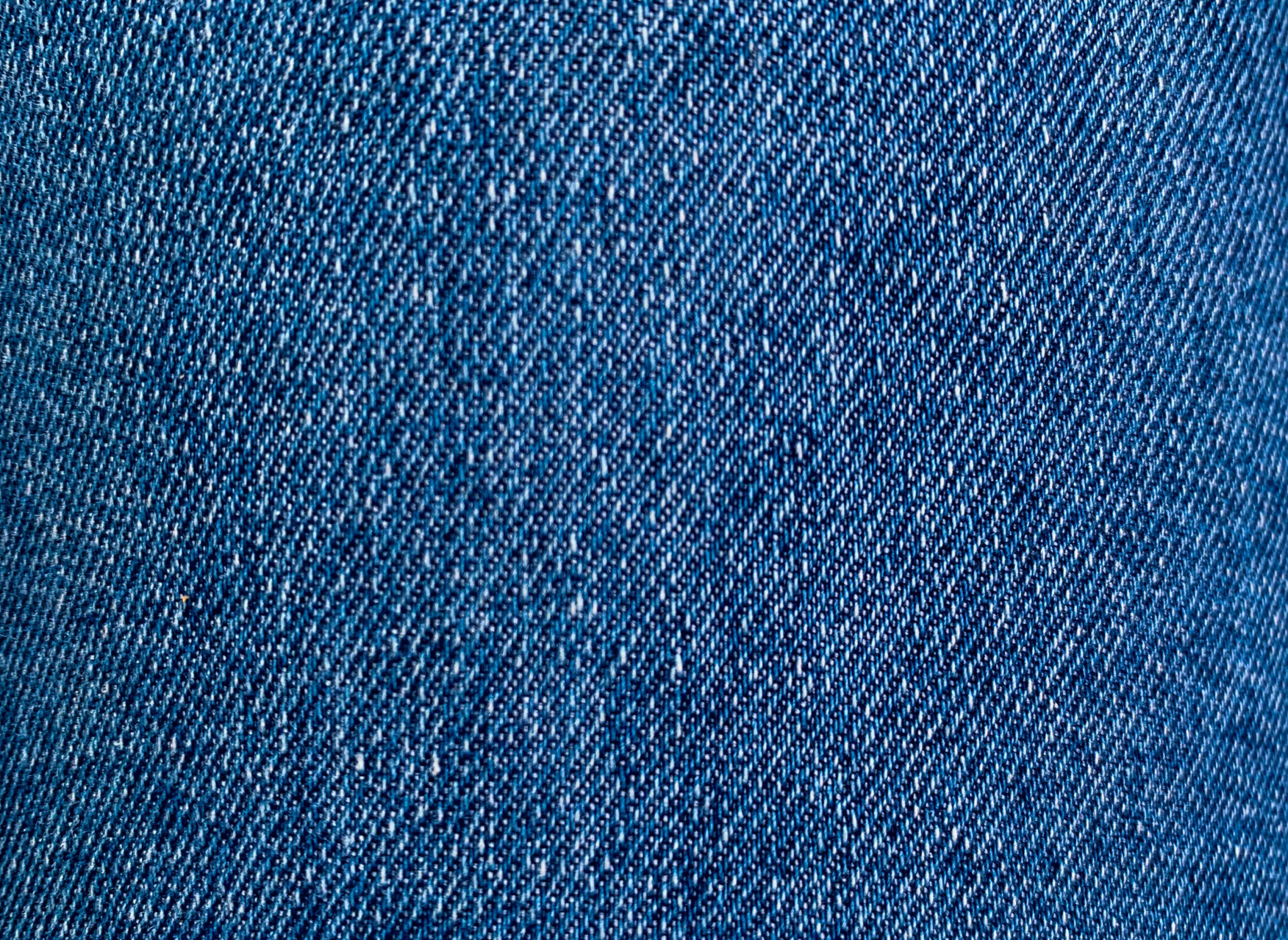
Non-stretch denim in a range of weights, typically 10-14 oz. Provides structure and a classic appearance. Suitable for straight-leg jeans, denim jackets, and shirts. Weight affects how the garment drapes and how it washes down over time.
Stretch Denim
Contains a percentage of elastane, typically 1-3%. Allows for closer-fitting silhouettes and improved ease of movement. Used in slim and skinny cuts. Recovery behavior -- how well the fabric returns to shape -- varies by blend and construction.
Washed & Treated Denim
Garment washing alters the surface, hand feel, and appearance of denim. Stone wash, enzyme wash, acid wash, and sandblasting each produce different visual results. The base fabric weight and indigo shade influence the final washed effect.
Key Considerations
Denim shrinkage and shade variation between bolts must be managed during cutting. Washing treatment is confirmed on an approved sample before bulk production. Target shade and wash effect are referenced against the client's approved sample or reference.
-- Material Properties
Composition, weight,
hand feel and structure.
The same fabric name can produce very different results depending on fiber composition, construction method, and finishing treatment. Understanding these factors helps define what to look for when selecting materials for your project.
Fiber Composition
The fiber blend directly affects softness, breathability, durability, and how the fabric responds to printing, embroidery, and washing. Common compositions in our product range:
- 100% Cotton: Soft, breathable, good print substrate -- but may shrink more
- Cotton / Polyester: Improved dimensional stability, color retention after wash
- Cotton / Polyester / Rayon: Soft, vintage-like drape; popular for relaxed fits
- Polyester / Spandex: Stretch and recovery; used in performance styles
Fabric Weight / GSM
GSM (grams per square meter) is a key indicator of fabric weight and influences structure, warmth, drape, and cost. General reference ranges by product type:
- T-shirts (standard): 160-200 gsm
- Heavyweight tees: 220-300 gsm
- French terry: 280-340 gsm
- Fleece sweatshirts: 320-450 gsm
These are reference ranges only. Actual weight is confirmed during fabric sourcing and sample development.
Hand Feel & Surface Texture
Hand feel describes how the fabric feels when touched -- soft, smooth, textured, structured, or brushed. It is influenced by:
- Fiber composition and yarn quality
- Knit or weave construction method
- Finishing treatment (brushing, peaching, enzyme wash)
- Post-wash behavior of the final garment
Hand feel descriptions are subjective. Actual material properties are best confirmed through swatch samples.
Stretch & Recovery
Stretch properties affect how the garment fits and moves, and whether it returns to its original shape after wear. Key distinctions:
- 2-way stretch: Stretches in one direction (typical of most knits)
- 4-way stretch: Stretches in both directions (used in performance fabrics)
- Recovery: How well the fabric returns to shape after stretching
- Elastane content: Higher % provides more stretch but may affect print adhesion
Drape & Structure
Drape refers to how a fabric falls and moves on the body. Structure refers to how well it holds its shape. These properties influence silhouette design decisions:
- Drapey fabrics suit relaxed, flowing silhouettes
- Structured fabrics hold boxy or architectural cuts
- Weight and construction affect shoulder and hem behavior
- Oversized styles may need heavier, crisper fabrics to avoid collapse
Shrinkage & Wash Response
How a fabric behaves after washing affects final garment dimensions, surface appearance, and long-term wearability. Key considerations:
- 100% cotton typically shrinks 3-8% without pre-shrink treatment
- Poly blends offer better dimensional stability after repeated washes
- Garment-washed styles are pre-shrunk during finishing
- Color fastness varies by dye method and wash temperature
-- Ribbing & Hardware
Ribbing, trims &
garment accessories.
Ribbing and trims contribute to how a garment looks, wears, and holds up over time. These components must be selected and matched carefully alongside the main fabric.
Ribbing for Neckbands, Cuffs & Hems
Ribbing is used at neckbands, cuffs, waistbands, and hem bands on sweatshirts, T-shirts, and similar products. The rib structure, weight, and composition must align with the main fabric to ensure consistent tension and visual proportion.
Common rib constructions include 1×1 rib, 2×1 rib, and flat rib variants. Each offers different levels of elasticity and surface texture. Ribbing weight and density affect how tightly it closes around the body -- important for functional cuffs and necklines.
Color matching between the ribbing and main fabric is managed through dye lot coordination. For custom colors, ribbing may be dyed separately and confirmed against the main fabric swatch before bulk production.
Functional Trims & Notions
Trims include all components beyond the main fabric and ribbing that contribute to garment function and brand identity. Selection is based on the product type, design direction, and client brand requirements.
Trim Matching & Consistency
All trim selections -- ribbing color, zipper finish, hardware type, label size, and drawcord material -- are confirmed and signed off before bulk production. Trims sourced from the same supplier batch are used throughout a production run to minimize variation. Any deviations from the approved sample are flagged for client review before proceeding.
-- Selection Guidance
How to approach
fabric selection.
Fabric selection is not made in isolation. The most appropriate material for your product depends on a combination of design, construction, technique, and commercial requirements. The following factors help define the right direction for your project.
Factors That Influence Fabric Choice
Additional Considerations
-- What to Share With Us
Help us recommend the right materials for your project.
The more information you can share about your product concept, the more accurately our team can assess material options, suggest appropriate fabrics, and identify any technical considerations before development begins.
Submit Your Project Details →- Product type and intended silhouette (oversized, slim, regular fit)
- Product sketches, design images, or Tech Pack if available
- Target fabric weight (GSM) or reference garment for hand feel
- Fiber composition preference or requirements (e.g., 100% cotton, poly blend)
- Printing, embroidery, or washing techniques planned for the product
- Target season, market, and approximate order quantity
- Reference samples or brand positioning information
-- Start the Conversation
Ready to discuss
your fabric requirements?
Share your product concept, reference images, Tech Pack, or sample garment. Our team will review your requirements and come back with fabric recommendations, available options, and a clear path through development.
We do not operate a retail fabric shop. Our fabric sourcing and selection service is part of the custom garment development process for B2B clients developing their own clothing lines.
© Yizhe Studio -- Materials & Fabrics · Dongguan Yizhe Clothing Co., Ltd.
Humen, Dongguan, Guangdong, China · Est. 2019