DTG vs Screen Printing for Custom T-Shirts: Which Should Your Brand Choose?
A print can look convincing in a design file and feel completely different on a finished T-shirt. That is why choosing between direct-to-garment printing (DTG) and screen printing starts with the artwork, then moves to the fabric, the intended finish, and the production plan.
Both methods can produce a good custom T-shirt. For a clothing brand, the useful question is: which method will reproduce this particular design on this particular garment?
Begin with the artwork
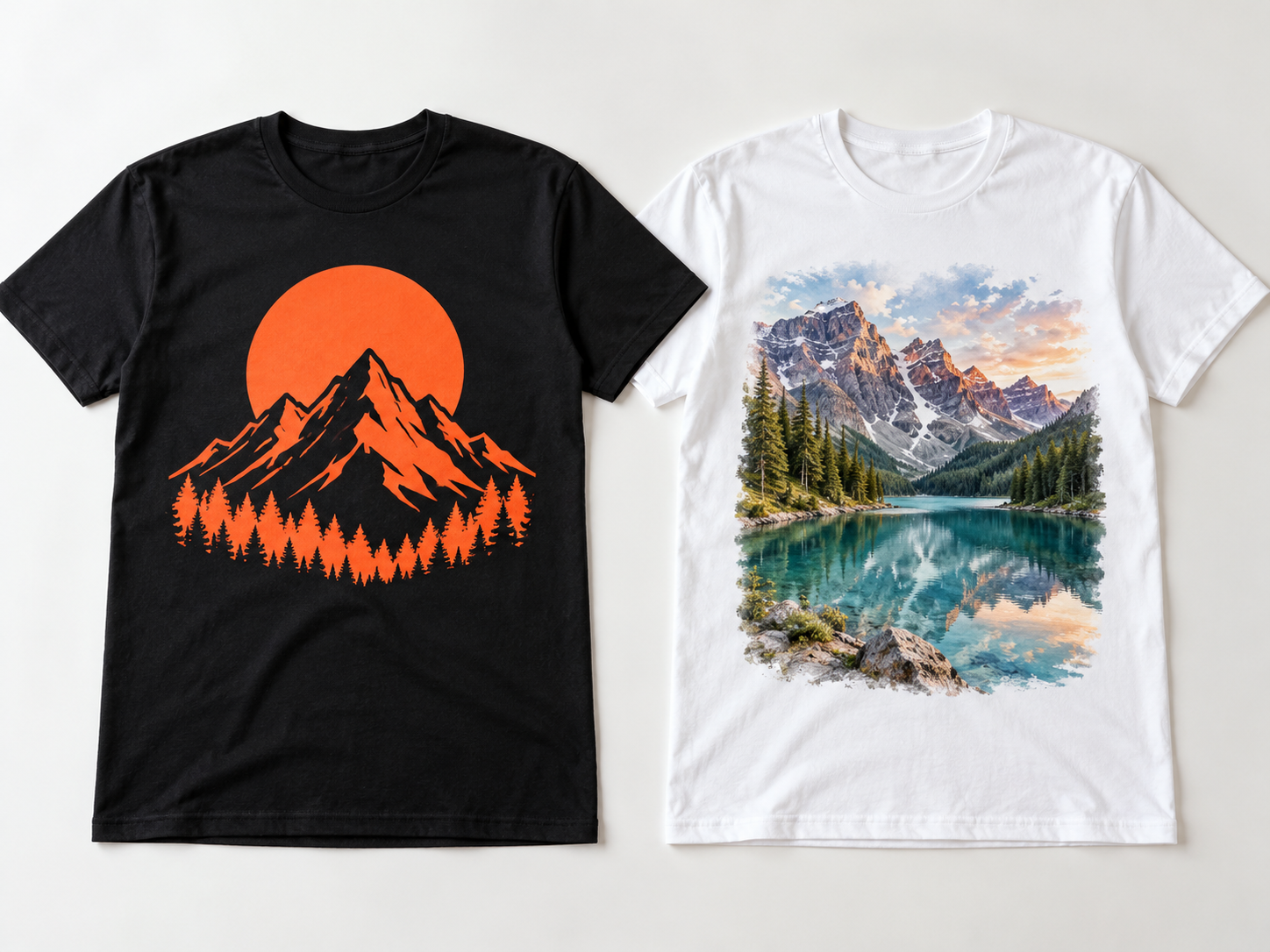
Imagine two T-shirt designs.
The first is a large graphic built from two solid colors with clearly defined edges. The second uses a photograph, soft shadows, and several gradual color changes.
Screen printing is a strong option to explore for the first design. Ink is applied through prepared screens, with the artwork separated into print layers. Defined shapes and solid color areas give the printer a clear starting point.
DTG is a strong option to explore for the second. It prints from a digital file onto the garment and can reproduce fine detail and gradual color changes without preparing a separate screen for each color.
This does not mean every graphic must use only one method. It means the artwork should lead the first discussion. Send the actual design file to the manufacturer rather than choosing a process from a photo of another brand’s T-shirt.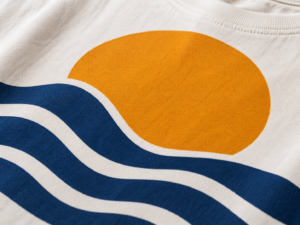
Think about the surface your customer will feel
A print is part of the wearing experience, especially when it covers a large area across the chest or back.
DTG generally produces a softer, flatter print feel. A screen print can have a more noticeable surface, depending on the ink, coverage, number of layers, and the finish requested. A small printed logo and a large solid graphic made by the same method can feel quite different.
When reviewing a sample, run your hand across the printed area and then across the unprinted fabric. Ask whether that difference suits the product. For an oversized streetwear tee, also look at how the printed area moves when the garment is lifted or worn.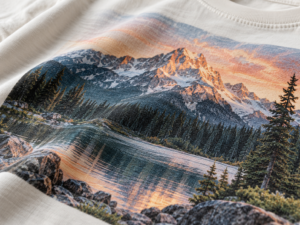
Check the fabric and garment color together
The T-shirt underneath the artwork affects the result. Fabric composition, surface texture, and garment color should be confirmed before you approve a print method.
A design on a light-colored cotton tee may need a different approach from the same design on a black tee. Dark garments can require additional steps to make lighter artwork visible. The appearance and feel of those layers should be judged on an actual sample.
If your collection includes several garment colors, review the artwork on the relevant colors. Approval on one colorway does not automatically show how the print will appear on every other one.
Plan for the order you intend to make
Screen printing requires screen preparation, so its production setup matters when reviewing a quotation. When a design will be repeated across a larger run, that setup can be spread across more garments.
DTG does not require separate screens for each artwork color. That can be useful for complex designs or when a brand is considering several graphics. The final cost and production approach still depend on the garment, print size, quantity, and supplier’s process.
Avoid deciding by a general rule such as “DTG is cheaper” or “screen printing is always better for bulk.” Share your planned quantity, colorways, artwork size, and fabric so the manufacturer can assess the actual project.
What should you approve on the sample?
Whether you choose DTG or screen printing, review the sample as a complete T-shirt. Check:
- Artwork detail: Are small lines, edges, and gradients clear at the finished print size?
- Color and coverage: Does the result work on the selected garment color?
- Placement: Is the print correctly positioned in relation to the neckline, side seams, and hem?
- Hand feel: Does the printed area feel right for your product?
- After-care appearance: If wash testing is part of the approval process, how do the color and print surface look afterward?
Confirm the production method used for the approved sample. If the bulk order will use a different print method, make and approve a representative sample using that method before production. A DTG print and a screen print of the same artwork should not be assumed to look or feel identical.
Which method should your brand choose?
Choose a direction based on the design you are making. A bold graphic with solid areas may be a good candidate for screen printing. A detailed image with gradients may be a good candidate for DTG. Fabric, garment color, quantity, and the feel you want can change that initial choice.
At Yizhe Studio, printing is reviewed alongside the artwork and garment during custom sample development. If you are planning a T-shirt collection, send us your design and project details so we can assess the method on the fabric you intend to use.