You have a design idea and want to see it as a real garment. What should you send a clothing factory before asking for a sample?
A complete tech pack is helpful, but many brands begin with a sketch, reference photos, and a few clear product decisions. The key is to show the factory what you have decided, what you prefer, and what still needs to be discussed. That makes the first conversation more useful and gives the sample a clearer direction.
Here is how to put those details together.
1. What to Send a Clothing Factory: Garment Details
Start with the product type: for example, an oversized pullover hoodie, a cropped sweatshirt, or a pair of wide-leg sweatpants. Then share a front and back drawing if you have one.
Reference photos can also help, particularly when you are trying to explain a shape. Add a short note to each photo so the factory knows which detail you mean:
- “Use this photo for the shoulder shape.”
- “We like the hood size, but want a shorter body.”
- “This is a color reference only.”
A reference image is much easier to interpret when you identify the part you want to keep. If the front, back, and sleeve have different details, show each view rather than expecting one image to explain the whole garment.
2. What to Send a Clothing Factory: Example Message
Words such as oversized or relaxed describe a direction, but they do not tell the factory exactly where the garment should be wider or longer.
For a hoodie, you might say:
“We want a wide body, dropped shoulders, roomy sleeves, and a hem that sits around the hip.”
If you already have a size chart, send it and identify the size to be made first. State whether the numbers are finished garment measurements. A body measurement chart and a finished garment chart serve different purposes, so label yours clearly.
If you do not have a full chart yet, send the measurements you do know and identify a well-fitting garment that can serve as a reference. You can then discuss the missing dimensions before the first sample is made.
3. Describe the fabric in terms the factory can act on
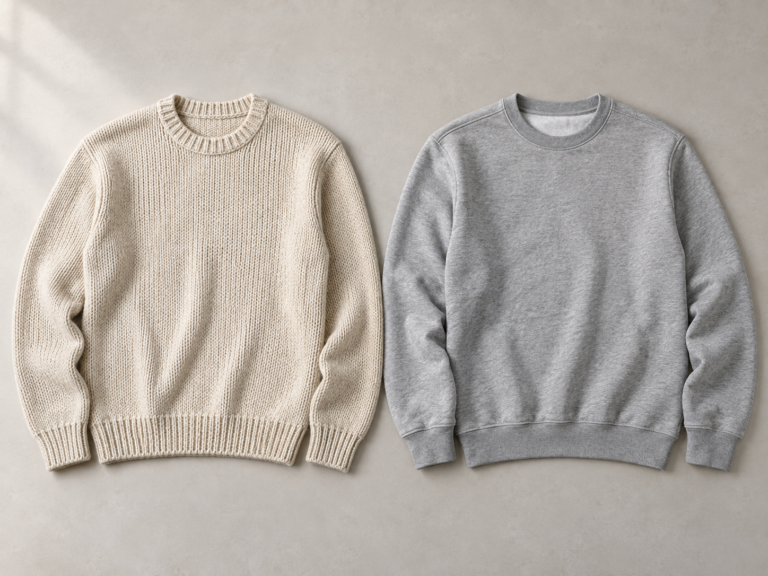
You do not need to guess an exact fabric composition or GSM if you have not chosen one. Describe the result you want:
- Is the garment for warmer weather or colder weather?
- Should it feel soft and drapey or firm and structured?
- Do you want a visible French terry loop inside or a brushed fleece surface?
- Is a washed or faded appearance part of the design?
If you have a physical swatch, fabric specification, or existing garment whose feel you want to reference, mention it. If you have a preferred composition, weight, or color reference, include those details too.
For example, “heavyweight black fleece with a structured feel” gives a useful starting direction. If you have confirmed a particular fabric specification, state that separately so it is treated as a requirement rather than an inspiration.
4. Separate the garment design from its decoration
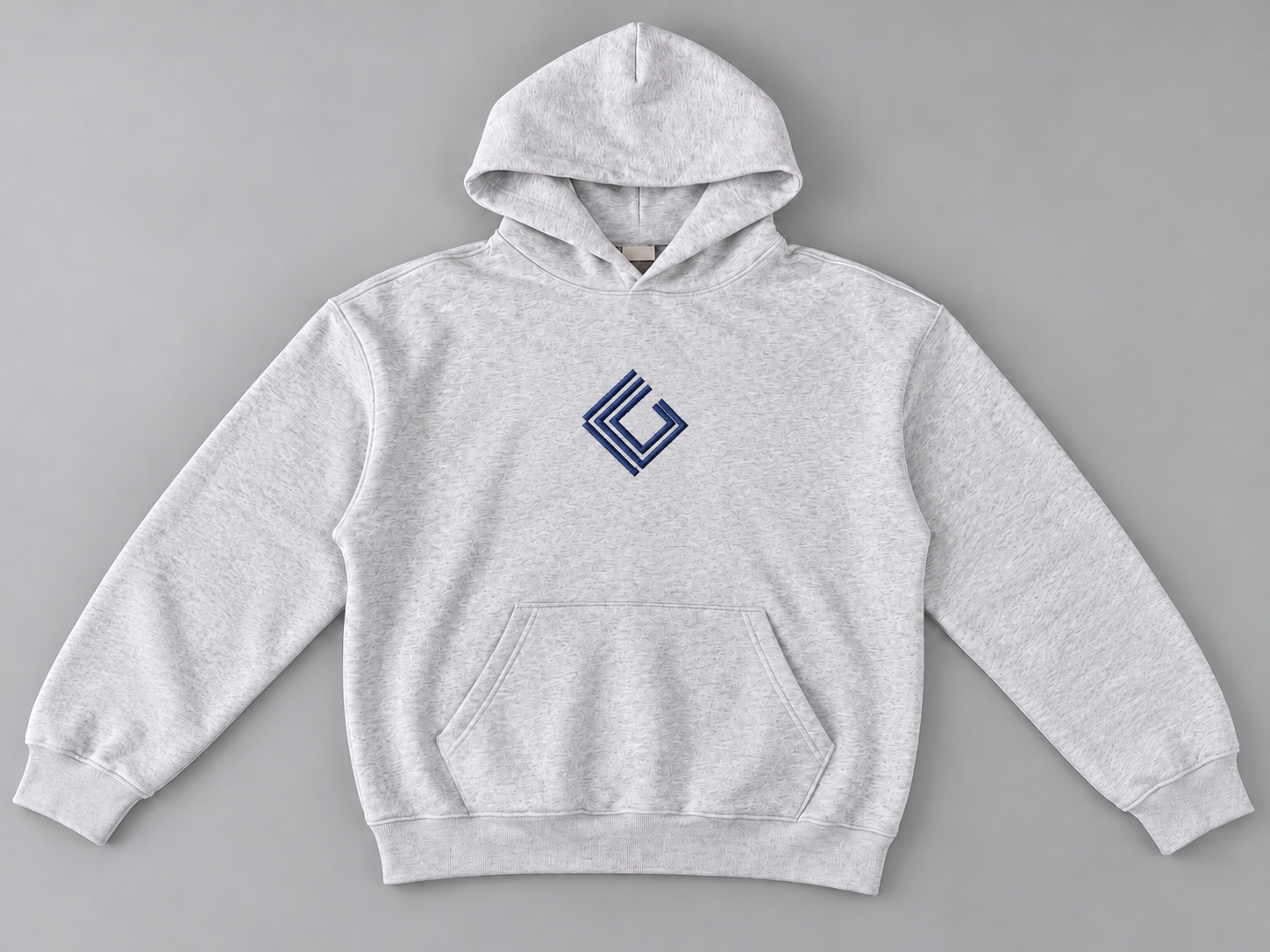
A factory needs to understand both the clothing and what will be applied to it. Send the logo or graphic as a separate file when possible, then explain:
- The intended technique, if known: print, embroidery, applique, or another finish
- The approximate artwork size
- Its position on the garment
- The colors or visual effect you want
“Small embroidered logo on the left chest” is a starting point. “Logo width 8 cm, positioned 7 cm below the shoulder seam” is more specific if those measurements have already been decided.
Include labels, zippers, drawcords, special stitching, and washing effects if they matter to the product. If you are undecided between two techniques, say so. The choice can be reviewed against the artwork and fabric during sample development.
5. Mark what is fixed and what is open
Before sending your materials, label the important details in three groups:
Confirmed: Decisions the sample must follow, such as the product type, logo artwork, or target fit.
Preferred: Your current direction, such as a fabric feel or a reference color that may require matching.
To discuss: Details you need help assessing, such as whether an embroidery design will work at a small size.
This distinction prevents a reference photo from being mistaken for a final specification. It also helps both sides focus the first discussion on decisions that are still open.
6. Give the factory the project context
Include your expected order quantity, planned size range, number of colors, destination, and target schedule. These details help the factory assess the sample in the context of the product you intend to make, rather than as a one-off garment.
If you are still estimating quantities or timing, give a range and mark it as provisional. You can confirm the production plan after the design and sample requirements have been reviewed.
What could your first message look like?
Here is an example of a useful starting brief:
Product: Oversized pullover hoodie
Design: Front and back reference images attached. We want the shoulder shape from Image A and the shorter body length from Image B.
Fit: Wide body, dropped shoulders, roomy sleeves. Size M first sample. Our current measurements are attached; please flag anything that needs clarification.
Fabric: Heavyweight fleece with a structured feel. Exact composition and weight to be discussed.
Decoration: Embroidered chest logo; artwork attached. We prefer a raised effect but would like to confirm whether the design suits it.
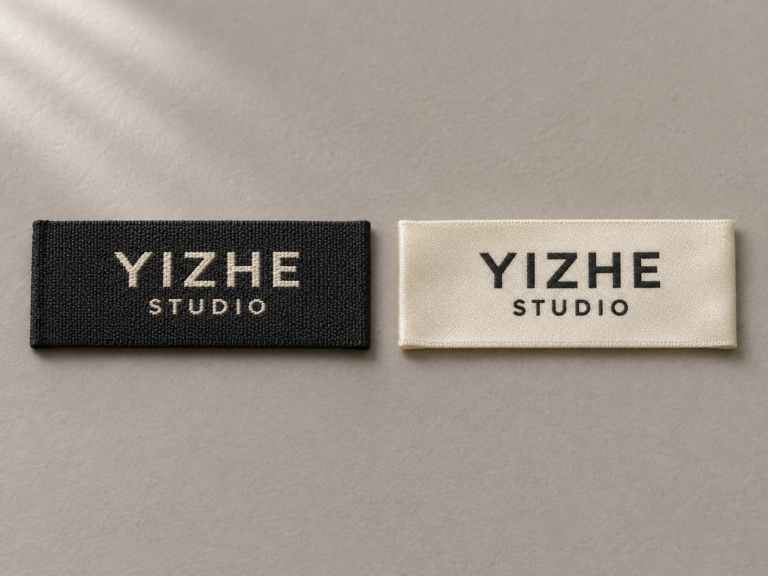
Brand details: Custom neck label and care label.
Project: One style, two planned colors, estimated bulk quantity and target delivery month included.
Your first message does not need to answer every production question. It should make the product direction clear enough for the factory to review it and identify what must be confirmed before sampling.
Before the sample is made
The most useful final step is to bring the decisions into one agreed sample brief: the garment shape, sample size, fabric direction, decoration, placement, and any details still awaiting confirmation. When the sample arrives, review it against that brief and record the changes you want for the next version.
At Yizhe Studio, we review design files, reference images, measurements, materials, and required techniques as part of custom clothing sample development. If your project is ready to discuss, send us the information you have and identify the details you would like us to review with you.